Factory Stuffing Procedure: A Complete Guide for Exporters
For exporters, efficient cargo handling and timely shipment are important parts of a successful international trade process. Factory stuffing allows eligible exporters to load export goods directly into containers at their factory or approved premises, subject to applicable Customs procedures and requirements.
Understanding the Factory Stuffing Procedure is important for businesses that regularly handle containerized export shipments. A properly planned process can help exporters manage cargo, documentation, container loading, and shipment coordination more systematically.
What is Factory Stuffing?
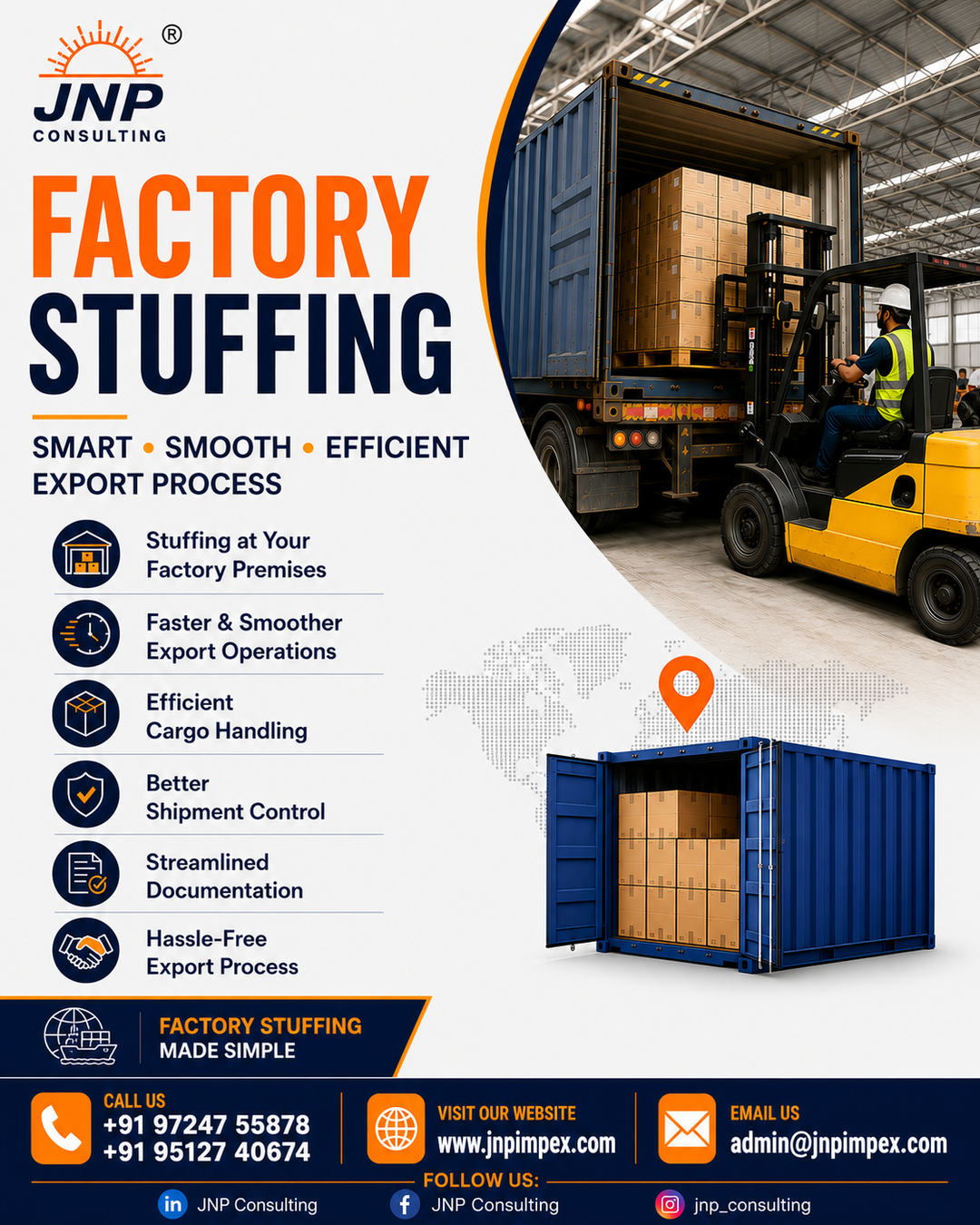
Factory stuffing refers to loading export goods into containers at the exporter’s factory or approved premises. Once the goods are loaded, the container is sealed as per applicable Customs requirements and transported to the port for export.
This arrangement can be particularly useful for manufacturers and regular exporters who handle substantial volumes of goods and want better control over their export logistics.
What is the Factory Stuffing Procedure?
The Factory Stuffing Procedure generally involves several important steps. While the exact requirements may vary depending on the nature of the goods and applicable regulations, exporters should typically focus on the following:
1. Assess Factory and Infrastructure Requirements
The exporter should ensure that the factory or approved premises has suitable space and facilities for container loading, cargo handling, and other applicable requirements.
2. Prepare Required Documents
The business needs to keep relevant exporter, factory, registration, infrastructure, and other supporting documents ready. Accurate documentation is important for processing the applicable permission or facility.
3. Apply for the Applicable Permission
The exporter may need to approach the appropriate Customs authority and complete the prescribed formalities for factory stuffing, depending on the applicable rules and circumstances.
4. Arrange Container Stuffing
Once the applicable requirements are fulfilled, export goods can be loaded into the container at the approved premises following the prescribed procedures.
5. Sealing and Documentation
After stuffing, the container must be sealed according to the applicable Customs requirements. Relevant shipment and sealing details should be properly recorded and maintained.
6. Move the Container for Export
After completion of the required formalities, the sealed container can be transported to the designated port or location for further export processing.
Benefits of Factory Stuffing
Factory stuffing can provide several operational advantages to exporters:
- Better control over cargo handling
- Improved shipment planning
- Efficient container loading
- Reduced movement of unpacked cargo
- Better coordination between production and logistics
- Organized export documentation
- Smoother export operations
For businesses regularly exporting goods in containers, these advantages can contribute to better logistics management.
Documents and Requirements
The documentation required for factory stuffing can depend on the exporter’s business activities, premises, goods, and applicable Customs procedures. Businesses may need relevant exporter details, factory information, infrastructure details, registration documents, undertakings, and other supporting records.
Since requirements can change according to applicable regulations, exporters should verify the current requirements before initiating the process.
Importance of Compliance
Factory stuffing provides operational flexibility, but exporters must follow the applicable Customs procedures carefully. Proper cargo handling, container sealing, documentation, record maintenance, and compliance with inspection or verification requirements are important throughout the process.
Maintaining accurate records can also help businesses manage their export documentation and respond effectively if verification is required.
How JNP Consulting Can Help
The Factory Stuffing Procedure involves documentation, Customs-related formalities, premises requirements, container handling, and compliance considerations. Professional assistance can help exporters understand the applicable requirements and organize the process more effectively.
JNP Consulting provides Factory Stuffing Permission and export-related advisory services, helping manufacturers and exporters navigate documentation and regulatory procedures with greater clarity.
Conclusion
Factory stuffing can be a valuable facility for eligible exporters looking to manage containerized shipments efficiently from their own premises. A clear understanding of the applicable procedure, documentation, sealing requirements, and Customs compliance is essential for smooth export operations.
With proper planning and professional guidance, businesses can organize their factory stuffing activities effectively while maintaining the required regulatory standards. JNP Consulting supports exporters with Factory Stuffing Permission and other international trade advisory services.