DGFT Faceless Processing: Moving Towards a Paperless & Time-Efficient System
The Directorate General of Foreign Trade (DGFT) has been continuously adopting digital systems to simplify foreign trade procedures for exporters and importers. Online applications, electronic documents and digital communication have already become an important part of DGFT services. The proposed move towards Faceless Processing can further support a more centralized, paperless and technology-driven approach.
Businesses involved in international trade should regularly follow Latest DGFT Updates because changes in procedures, documentation, authorisations and compliance requirements can directly affect their export-import operations.
What is DGFT Faceless Processing?
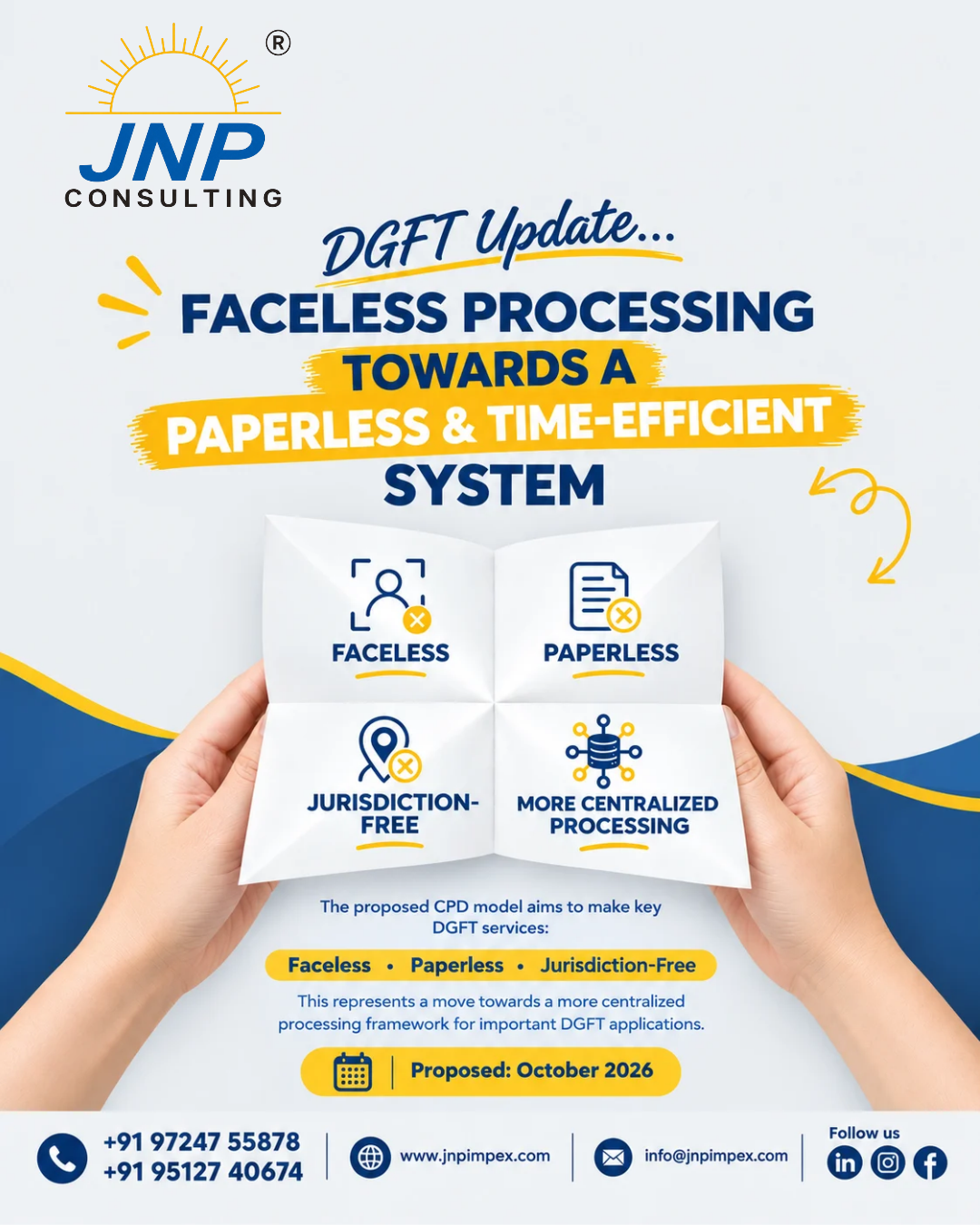
Faceless processing refers to a system where applications and related procedures can be handled digitally with reduced dependence on physical interaction and location-based processing. DGFT’s Foreign Trade Policy already highlights several IT initiatives designed to create a paperless, contactless and transparent environment for exporters and importers. These include online facilities for IEC, RCMC, Certificate of Origin and other trade-related processes.
The proposed framework aims to take digital processing further by supporting a more centralized approach to handling important DGFT applications.
Benefits of Paperless DGFT Processing
A more digital processing environment can make it easier for businesses to manage their DGFT-related activities. Some key areas include:
- Online submission of applications and documents
- Reduced dependence on physical paperwork
- Digital communication and application tracking
- Better management of electronic records
- Reduced need for location-based interaction
- More streamlined handling of trade-related applications
For exporters and importers, this makes maintaining accurate documentation and keeping track of procedural changes increasingly important.
Why Businesses Should Follow Latest DGFT Updates
DGFT procedures and foreign trade regulations can change through notifications, public notices and trade notices. For example, DGFT regularly issues amendments and procedural updates relating to different export-import activities and policy areas.
Therefore, businesses should monitor Latest DGFT Updates before applying for licences, authorisations or other DGFT-related services. Staying updated can help businesses understand new requirements and avoid relying on outdated procedures.
How JNP Consulting Can Help
With the increasing digitalisation of DGFT services, businesses may need professional assistance to understand applicable procedures and documentation. JNP Consulting provides DGFT and export-import advisory support to businesses dealing with various trade-related requirements.
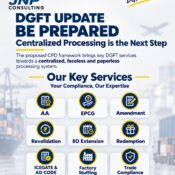
JNP Consulting can assist businesses with areas such as IEC registration, DGFT applications, EPCG, Advance Authorisation, RCMC, Export Obligation-related requirements and other DGFT compliance procedures. The objective is to help businesses understand the applicable process and manage their documentation systematically.
For businesses that find it difficult to keep track of Latest DGFT Updates, professional guidance can also help them stay informed about relevant notifications and procedural changes.
Preparing for the Digital Future of DGFT
The move towards faceless and paperless processing reflects the broader digitalisation of India’s foreign-trade ecosystem. DGFT has already introduced several online and electronic initiatives to reduce physical interfaces and improve digital access to trade-related services.
As digital processing continues to develop, exporters and importers should maintain accurate records, monitor official notifications and ensure that their applications follow the latest applicable procedures.
JNP Consulting can support businesses in navigating DGFT and export-import compliance requirements while keeping them informed about relevant regulatory developments.
Follow JNP Consulting for the Latest DGFT Updates and trade-compliance information.