A simple explanation of COO and its role in global exports
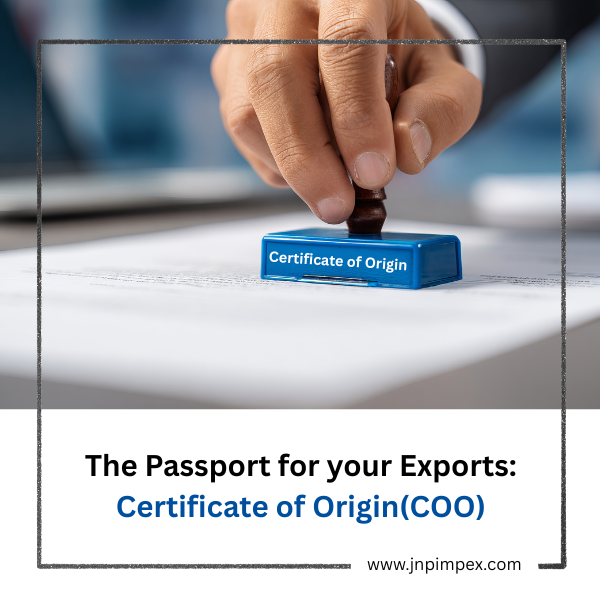
If you’ve ever exported goods—or are planning to—you’ve probably heard someone ask, “Do you have a Certificate of Origin?” It may sound like just another document, but in reality, the Certificate of Origin (COO) plays a big role in how smoothly your shipment moves across borders.
Simply put, a COO tells the importing country where your goods are made. Customs authorities use it to decide duties, apply trade rules, and make sure everything is in line. For exporters, having the right COO often means fewer questions, faster clearance, and happier buyers.
Now, here’s where it gets interesting. Not all COOs are the same. They usually fall into two categories.
Preferential Certificate of Origin
A Preferential Certificate of Origin comes into play when India has a trade agreement with the importing country. This certificate helps the importer get lower or even zero customs duty, making your product more affordable in the global market.
These certificates are used under trade agreements like ASEAN, SAFTA, or India-UAE CEPA. For exporters, a preferential COO isn’t just paperwork—it’s a smart way to stay competitive and win buyer confidence.
Non-Preferential Certificate of Origin
A Non-Preferential Certificate of Origin is more straightforward. There’s no duty benefit involved here. It is mainly used to confirm that the goods are of Indian origin.
Many importers, customs authorities, and banks require this certificate for compliance and documentation. Even without tariff benefits, it plays a crucial role in building trust and ensuring smooth trade operations.
In the End…Think of it this way:
Preferential COO helps save money, while Non-Preferential COO ensures compliance and credibility. Choosing the right Certificate of Origin can save time, avoid delays, and keep your exports running smoothly. Connect with us today and let our experts handle the documentation—so you can focus on growing your business globally.