Why PRC Matters in International Trade
International trade involves a wide range of regulations, policies, and compliance requirements that businesses must follow to ensure smooth import and export operations. While most transactions are processed under standard provisions, there are situations where companies face genuine difficulties due to unforeseen circumstances. In such cases, the Policy Relaxation Committee (PRC) plays a vital role in providing relief and resolving policy-related challenges.
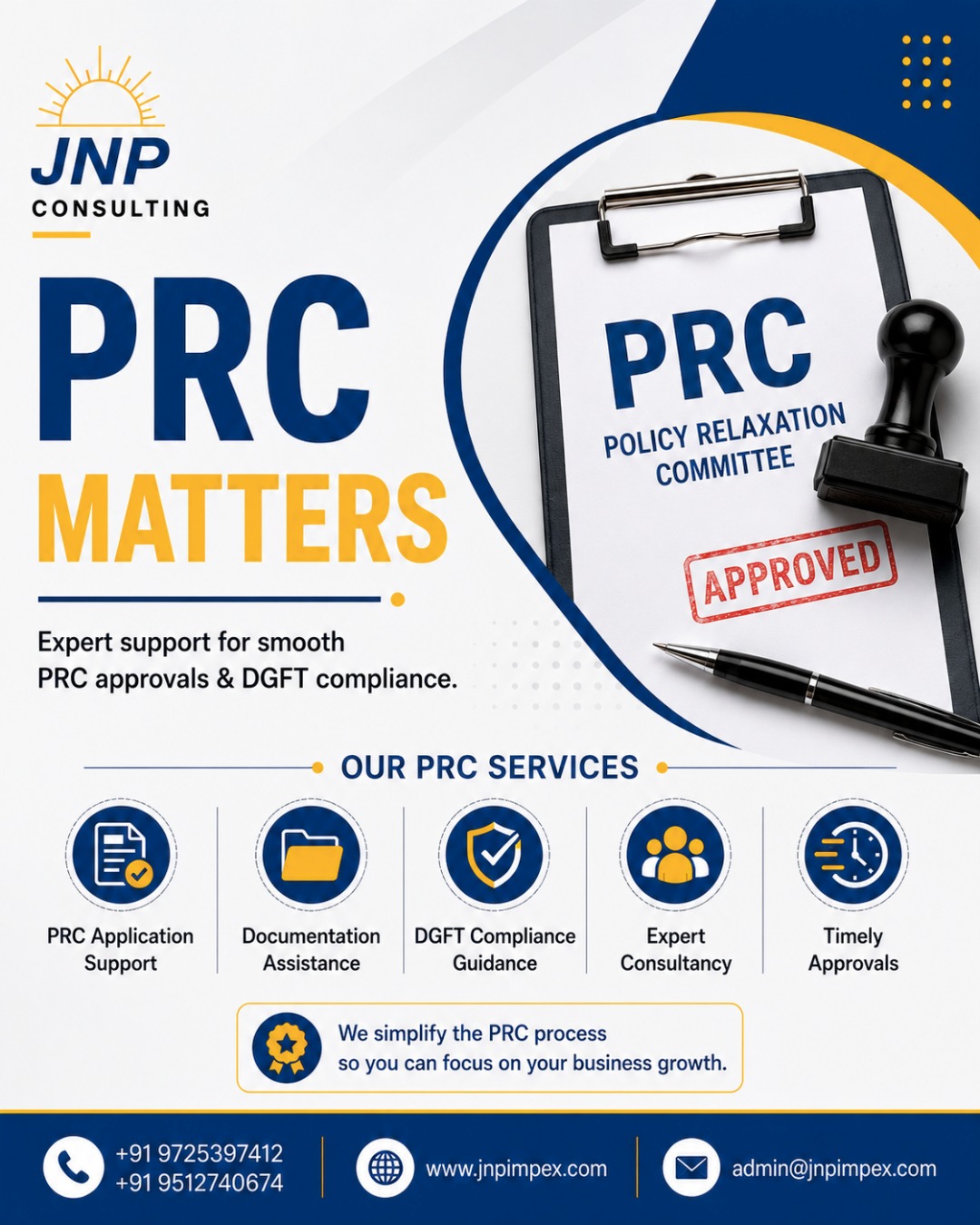
Understanding PRC Policy Relaxation Committee Matters is essential for exporters and importers who wish to protect their business interests while remaining compliant with the Foreign Trade Policy. The committee reviews exceptional cases and considers requests for relaxation where businesses are unable to comply with specific policy conditions due to circumstances beyond their control.
Why the Policy Relaxation Committee is Important
The PRC serves as a platform for businesses to present their cases when they encounter difficulties related to export obligations, authorizations, documentation requirements, or other trade-related issues. Rather than allowing genuine businesses to suffer financial losses due to procedural challenges, the committee evaluates each case on its merits and provides appropriate recommendations.
Common situations where businesses may require PRC support include:
- Delays in fulfilling export obligations.
- Issues related to Advance Authorisation and EPCG schemes.
- Difficulties in meeting procedural requirements.
- Cases involving policy interpretation.
- Exceptional circumstances affecting compliance.
For many businesses, resolving these issues promptly is critical to maintaining smooth operations and preserving valuable export incentives.
Benefits of Proper Handling of PRC Cases
When businesses approach the committee with a well-prepared application, they improve their chances of receiving a favorable outcome. Proper documentation and clear justification are key factors in the review process.
Some of the major benefits include:
- Protection of export incentives and benefits.
- Reduced financial impact due to compliance challenges.
- Better resolution of policy-related disputes.
- Improved communication with regulatory authorities.
- Continued business operations without unnecessary disruptions.
Because every case is unique, understanding the requirements associated with PRC Policy Relaxation Committee Matters can significantly improve the likelihood of a successful resolution.
How Professional Assistance Can Help
Preparing a strong PRC representation requires a detailed understanding of DGFT regulations, policy provisions, and supporting documentation requirements. Businesses often need to explain their circumstances clearly and provide sufficient evidence to support their request for relaxation.
At JNP Consulting, we help exporters and manufacturers navigate complex trade compliance challenges with confidence. Our team assists in preparing comprehensive applications, organizing supporting documents, and ensuring that representations are submitted in accordance with regulatory requirements.
With extensive experience in DGFT and international trade advisory services, JNP Consulting works closely with businesses to identify the best approach for resolving policy-related concerns. Whether the issue involves export obligations, authorisation matters, or procedural difficulties, professional guidance can make the process more efficient and less time-consuming.
Conclusion
In today’s competitive global marketplace, businesses cannot afford prolonged compliance issues or regulatory uncertainties. Understanding PRC Policy Relaxation Committee Matters enables exporters and importers to address exceptional situations effectively while safeguarding their commercial interests. With the right strategy and expert support from JNP Consulting, businesses can overcome policy challenges, maintain compliance, and continue focusing on growth and international expansion.