EPCG Export Obligation and Compliance Guide
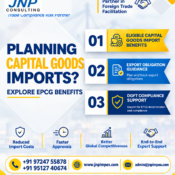
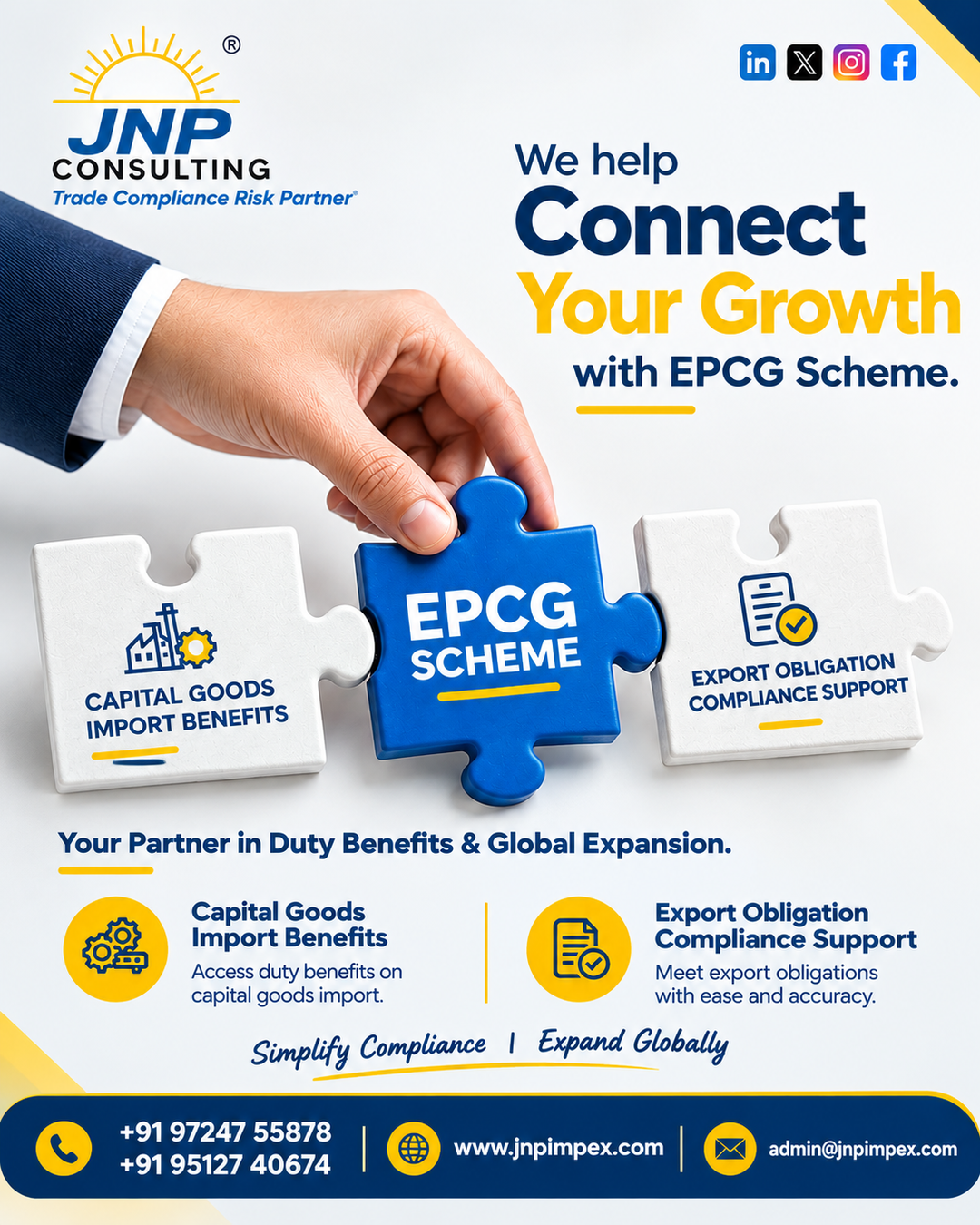
The Export Promotion Capital Goods (EPCG) Scheme is an important trade facilitation initiative under India’s Foreign Trade Policy. It helps eligible exporters and manufacturers import capital goods at zero customs duty, subject to applicable conditions and the fulfilment of prescribed export obligations. For businesses investing in machinery, equipment and production technology, the scheme can support capacity expansion and export competitiveness.
However, obtaining an EPCG authorisation is only one part of the process. Businesses must also understand their export obligation, maintain appropriate documentation, monitor compliance timelines and complete the applicable redemption procedure.
What Is the EPCG Scheme?
The Export Promotion Capital Goods Scheme is administered by the Directorate General of Foreign Trade (DGFT). Its objective is to facilitate the import of capital goods required for pre-production, production and post-production activities, subject to the scheme’s eligibility criteria and conditions.
Eligible manufacturer exporters, merchant exporters with supporting manufacturers and qualifying service providers may apply, subject to the applicable Foreign Trade Policy and Handbook of Procedures.
What Is Export Obligation Under EPCG?
Export obligation (EO) refers to the export performance that an EPCG authorisation holder must achieve in accordance with the applicable scheme conditions. The obligation is linked to the duty benefits availed on eligible capital goods.
Under the standard EPCG framework, specific export obligation is generally set at six times the duties, taxes and cess saved on capital goods, to be fulfilled within six years from the date of authorisation. Applicable provisions, exemptions, extensions and other conditions should be checked against the current policy and the individual authorisation.
The scheme may also require fulfilment of an average export obligation based on the applicant’s previous export performance for the same and similar products, where applicable.
Key EPCG Compliance Requirements
1. Monitor Export Obligation
Businesses should track export performance against the obligation specified in their authorisation. Monitoring both specific and average export obligations, wherever applicable, helps maintain a clear view of compliance progress.
2. Maintain Complete Documentation
Proper records are essential for demonstrating export obligation fulfilment. Depending on the case, relevant documents may include:
- EPCG authorisation and related amendments
- Shipping bills and export invoices
- Bills of export or supporting supply documents, where applicable
- Bank Realisation Certificates (BRCs) or other prescribed realisation evidence
- Capital goods import and installation-related records
- Export obligation reports and supporting certificates
The documents required may vary depending on the nature of exports, the authorisation and the applicable procedures.
3. Review Reporting Requirements and Timelines
Authorisation holders must submit export obligation fulfilment information through the applicable DGFT process and comply with the reporting requirements relevant to their authorisation. Businesses should review the current Handbook of Procedures and applicable notifications to identify the correct filing stages and deadlines.
4. Understand the Redemption Process
After fulfilling the applicable export obligation and other conditions, the authorisation holder may apply for an Export Obligation Discharge Certificate (EODC), subject to the prescribed procedure and supporting evidence. Proper documentation and reconciliation of export performance can help make this process more organised.
5. Address Shortfalls Promptly
If an export obligation shortfall or compliance issue arises, businesses should review the applicable policy provisions and available regularisation or extension procedures. The appropriate action depends on the circumstances and current DGFT requirements.
Common EPCG Compliance Challenges
Businesses may face challenges such as incomplete export records, differences between reported and actual export performance, missed reporting requirements, changes in supporting manufacturers, or difficulty tracking obligations across multiple authorisations.
A structured compliance system—with clear responsibility, document control and periodic reviews—can help businesses identify issues early and manage their authorisations more effectively.
How JNP Consulting Can Support Your EPCG Requirements
JNP Consulting provides consultancy support for businesses managing DGFT and international trade compliance requirements. As an EPCG Consultant in Gujarat, JNP Consulting can assist businesses with understanding applicable scheme requirements, EPCG documentation, export obligation tracking and compliance-related procedures.
Our support is focused on helping businesses organise their documentation, understand relevant requirements and manage the applicable processes with greater clarity.
Businesses looking for an EPCG Consultant in Gujarat can connect with JNP Consulting to discuss their authorisation, export obligation and documentation requirements.
Conclusion
The EPCG Scheme can support eligible businesses in accessing capital goods for export-oriented operations, but the benefits come with important compliance responsibilities. Understanding export obligations, maintaining accurate records, monitoring timelines and completing the prescribed discharge process are essential parts of effective EPCG management.
For professional guidance on EPCG documentation and export obligation compliance, connect with JNP Consulting, your EPCG Consultant in Gujarat.